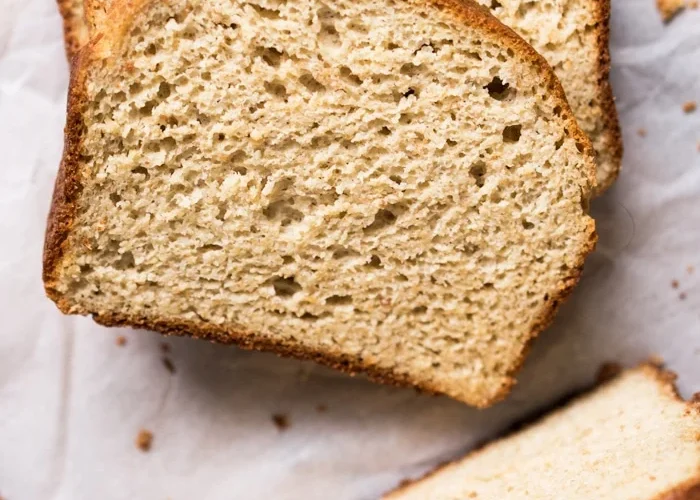
If you’ve been searching for a truly soft and fluffy keto bread that doesn’t taste like baked eggs, this is the one.
Jump to Recipe Print RecipeThis gluten free and keto yeast bread delivers a beautiful rise, an airy crumb, and real sandwich-worthy texture. Even better, it uses less than half the eggs found in most low carb bread recipes, so the flavor stays neutral and balanced.
This recipe was originally published back in April 2018 and has since been updated with extra tips and detailed guidance to guarantee success. It also happens to be one of the earliest keto bread recipes made with yeast, bringing classic bread flavor back to the low carb world.
The result? A loaf that slices cleanly, holds fillings beautifully, and tastes great even without toasting.
What Makes This Keto Bread Different
Light Texture with Real Rise
The most common request has always been for keto sandwich bread that feels light instead of dense. After multiple rounds of testing, this loaf finally achieved that goal. It rises impressively, nearly doubling in size before baking, and keeps a tender crumb once cooled.
No Overpowering Egg Flavor
Traditional low carb breads rely heavily on eggs for structure, which often creates that unmistakable eggy taste. This version cuts the egg count significantly and uses other structural ingredients to maintain stability without sacrificing flavor.
Not Dense or Crumbly
Many gluten free loaves either collapse or turn fragile once sliced. This one stays cohesive while remaining soft. It doesn’t crumble apart and doesn’t feel wet or gummy inside.
Excellent Storage
The loaf stays fresh at room temperature for up to four days when stored properly. It also freezes extremely well, making it ideal for meal prep. And surprisingly, it tastes great even straight from the counter without needing to be toasted.
Important Details Before You Begin
Making keto yeast bread is straightforward, but a few small details make a big difference in the final outcome.
Expect Slight Post-Bake Settling
Because there’s no gluten and no starch-heavy wheat flour, some minor settling after baking is normal. Keto flours are heavier and contain more moisture, and the absence of gluten changes the protein structure. Even so, the loaf maintains impressive height.
Altitude also plays a role. Baking at high elevation often produces slightly different results. At over 7,000 feet, this bread still nearly doubles in volume before cooling. At sea level, the rise can be even better, though it may take an additional 15 to 20 minutes.
The Method Explained
Why Yeast Matters
The yeast brings real bread flavor and helps develop a proper crumb. Unlike quick breads that rely solely on baking powder, this loaf benefits from fermentation, which improves texture and taste.
Rise and post-bake structure will vary slightly depending on elevation, but you will not get the typical gummy interior that plagues many low carb loaves.
Essential Tips for Success
Always Weigh Your Ingredients
Gluten free and keto baking are precise. Measuring by weight ensures consistent results and avoids overpacking ingredients, which commonly happens when scooping with cups. If you do not own a scale, spoon ingredients into the measuring cup instead of scooping directly.
Use Room Temperature Ingredients
This step is critical, especially for eggs. Cold eggs can prevent proper rise and reduce overall volume. Let all refrigerated ingredients sit out before mixing.
Properly Proof the Yeast
Combine active dry yeast with warm water between 105 and 110°F and add inulin or a small amount of sugar such as maple syrup or honey. Let it sit for about 7 minutes until foamy. The yeast consumes the sugar during fermentation, so it does not increase the final carb count.
Protect the Dough
Avoid sudden temperature changes or drafts while the dough rests. A warm, stable environment allows proper fermentation and structure development.
Adjustments for High Altitude
If baking at higher elevations, increase oven temperature by 25°F. You may also need to reduce baking time by about 5 minutes, though this depends on your specific oven.
Ingredient Breakdown and Substitution Notes
While this recipe includes several ingredients, most are common in keto and paleo kitchens. Each plays a specific structural role, so substitutions can affect results.
Almond Flour
Use only very finely ground almond flour. Coarser almond meal will produce a dense and oily loaf. High-quality fine almond flour brands tend to work best. If you are in maintenance mode or following paleo loosely, you can replace ¼ to ½ cup with arrowroot flour to lighten the texture.
Golden Flaxseed Meal
Golden flaxseed meal is strongly recommended over brown flax. Grind it finely in a completely dry blender for best results. This prevents a gummy texture. Psyllium husk powder can technically replace it, but flax tends to produce a more pleasant crumb.
Psyllium Husk Powder
Always grind psyllium husk powder finely before using. Some brands can turn baked goods purple, so choose one known for neutral color. Replacing it with more flax is possible, but you may lose some elasticity and rise.
Whey Protein Isolate
This ingredient is essential for structure and preventing collapse after baking. Results can vary by brand, so consistency matters. An unflavored whey protein isolate with zero added carbs works best. A high-quality grass-fed option also performs well, though it may be more expensive.
Cream of Tartar and Powdered Ginger
These two ingredients help condition the dough and encourage better rise. They are not strictly mandatory, but including them improves overall texture and structure.
What to Expect from the Finished Loaf
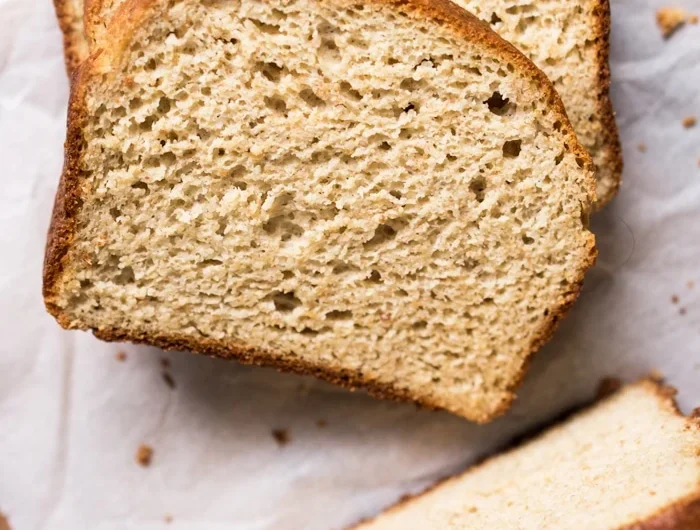
The finished bread slices cleanly and holds together well for sandwiches. The crumb is soft and airy rather than tight or rubbery. It remains sturdy enough for spreads, stacked fillings, or even grilled sandwiches.
While different from wheat bread due to the absence of gluten, it comes impressively close in flavor and texture. The yeast gives it that familiar bakery aroma, and the interior stays tender without tasting overly rich or egg-based.
Whether you’re making toast, sandwiches, or simply enjoying a slice with butter, this gluten free and keto yeast bread delivers a dependable, satisfying result that easily becomes a weekly staple.
Gluten Free Keto Bread Recipe
Course: BreakfastCuisine: AmericanDifficulty: Easy12
servings15
minutes45
minutes174
kcalSoft, fluffy, and beautifully structured, this gluten free and keto yeast bread has an incredible crumb without the heavy egg flavor common in low carb loaves. With fewer eggs than most keto bread recipes, it bakes up into a true sandwich-style loaf you’ll want to keep on repeat.
Ingredients
For the bread
2 teaspoons active dry yeast
2 teaspoons inulin, maple syrup, or honey (to activate the yeast)
120 ml lukewarm water (105–110°F)
168 g almond flour
83 g finely ground golden flaxseed meal
15 g whey protein isolate
18 g finely ground psyllium husk
2 teaspoons xanthan gum (or 4 teaspoons ground flaxseed meal)
2 teaspoons baking powder
1 teaspoon kosher salt
1/4 teaspoon cream of tartar
1/8 teaspoon ground ginger
1 large egg, room temperature
110 g egg whites (about 3), room temperature
56 g unsalted butter or ghee, melted and cooled
1 tablespoon apple cider vinegar
58 g sour cream (or coconut cream + 2 teaspoons apple cider vinegar)
Directions
- Line an 8.5 x 4.5-inch loaf pan with parchment paper. Set aside.
- In a large bowl, combine the yeast and inulin or sweetener. Pour the lukewarm water over the top. Cover and let sit for about 7 minutes, until bubbly and foamy. If it doesn’t foam, start again with fresh yeast and properly warmed water.
- While the yeast proofs, whisk together the almond flour, flaxseed meal, whey protein isolate, psyllium husk, xanthan gum, baking powder, salt, cream of tartar, and ginger in a separate bowl.
- Once the yeast is ready, add the egg, egg whites, melted butter, and apple cider vinegar. Beat with an electric mixer for 1–2 minutes until light and slightly frothy.
- Add the dry ingredients in two additions, alternating with the sour cream. Mix thoroughly after each addition. The dough will thicken quickly as it hydrates.
- Transfer the dough to the prepared loaf pan and smooth the top with a wet spatula. Cover with a kitchen towel and let rise in a warm, draft-free place for 50–60 minutes, or until the dough rises just above the top of the pan.
- Preheat the oven to 350°F (180°C). If baking at high altitude, increase to 375°F (190°C).
- Place the loaf pan on a baking sheet and bake for 45–55 minutes, until deep golden brown. Tent loosely with foil after 10–15 minutes to prevent over-browning, making sure the foil doesn’t touch the bread.
- Let the bread rest in the pan for 5 minutes, then transfer to a cooling rack. Cool completely before slicing. This step is essential, as the bread continues to set while cooling.
- Store tightly wrapped at room temperature for 4–5 days. Lightly toast before serving if desired.
Notes
- The small amount of sugar or inulin is used to activate the yeast. The yeast consumes it during fermentation, so it does not significantly impact the final carb count.
- For a lighter crumb, you may replace 1/4 to 1/2 cup of the almond flour with arrowroot flour if you are paleo or in keto maintenance.
- Nutrition information is estimated per slice based on 12 slices, though thinner slices can yield up to 16–18 servings.
Nutrition Facts
12 servings per container
- Amount Per ServingCalories174
- % Daily Value *
- Total Fat
14g
18%
- Saturated Fat 3g 15%
- Cholesterol 26mg 9%
- Sodium 254mg 12%
- Potassium 83mg 2%
- Total Carbohydrate
6g
3%
- Dietary Fiber 4g 15%
- Protein 5g 10%
- Calcium 60mg 5%
- Iron 1mg 6%
* The % Daily Value tells you how much a nutrient in a serving of food contributes to a daily diet. 2,000 calories a day is used for general nutrition advice.
